Recovery is about more than overcoming substance use or moving away from harmful patterns. It can also involve learning how to manage everyday responsibilities, build healthier relationships, establish routines, and work toward a more stable future.
For many people, rebuilding life during recovery means developing practical skills that may have been neglected during difficult periods. Everyday activities such as managing time, communicating clearly, setting goals, and preparing for employment can become important steps toward greater independence.
Life skills during addiction recovery can help people approach daily challenges with more confidence and structure. With encouragement, a supportive environment, and opportunities to learn, individuals can begin working toward meaningful changes in their lives.
What Are Life Skills, and Why Do They Matter During Recovery?
Life skills are practical abilities that help people navigate everyday situations, make decisions, manage responsibilities, and interact with others. They can include communication, problem-solving, time management, decision-making, and setting personal goals.
During recovery, these skills may help people establish a healthier foundation for daily life. Someone who has experienced instability may need time and support to rebuild routines, reconnect with family, pursue education, or prepare for work.
Developing life skills does not happen overnight. People learn at different paces, and progress may involve both successes and challenges. The goal is to build practical abilities that support healthier choices and greater stability over time.
1. Building Healthy Daily Routines
A consistent routine can make everyday life feel more manageable. Regular sleep, balanced meals, personal hygiene, planned activities, and time for reflection can provide structure throughout the day.
During recovery, routines may also help people use their time more intentionally and recognize patterns that affect their well-being.
Some helpful habits include:
- Maintaining a regular sleep and wake schedule.
- Eating regular meals and taking care of personal hygiene.
- Planning daily responsibilities and appointments.
- Setting aside time for reflection, prayer, or other meaningful practices.
- Making time for healthy activities and supportive relationships.
These habits do not need to be perfect to be useful. Starting with a few manageable changes can make it easier to develop consistency gradually.
2. Improving Communication and Relationships
Relationships can be affected by difficult life experiences, substance use, and periods of instability. Rebuilding trust may take time, and healthy communication can be an important part of that process.
Life skills can help people learn to express their needs respectfully, listen to others, recognize personal boundaries, and work through disagreements more constructively.
Practical ways to strengthen communication include:
- Listening without immediately reacting.
- Expressing feelings and concerns clearly.
- Taking responsibility for personal actions.
- Respecting other people’s boundaries.
- Asking for help when a situation feels difficult to manage.
Not every relationship can or should return to the way it was before. Rebuilding relationships also means recognizing when boundaries are necessary and seeking support when conversations become challenging.
3. Learning to Manage Responsibilities and Set Goals
Recovery can involve making decisions about housing, finances, education, employment, and relationships. These responsibilities may feel overwhelming when approached all at once.
Learning to set realistic goals can help break larger challenges into smaller, more manageable steps.
For example, someone working toward greater independence might begin by creating a weekly schedule, organizing important documents, attending planned activities, or identifying the next step toward employment.
Helpful goal-setting practices include:
- Choosing one specific goal to work toward.
- Breaking it into smaller actions.
- Identifying possible challenges before they arise.
- Asking trusted people for guidance when needed.
- Reviewing progress and adjusting the plan when circumstances change.
Progress is not always linear. A missed goal does not mean someone has failed. It can be an opportunity to reassess what is working and decide what support may help.

4. Developing Financial and Practical Skills
Managing money and everyday tasks can play an important role in building a more stable life. For people preparing to live more independently, practical skills may include budgeting, shopping for necessities, preparing meals, maintaining a living space, and organizing bills or appointments.
Financial skills can begin with simple steps, such as tracking expenses and distinguishing essential costs from optional spending.
Useful practical skills may include:
- Creating a basic monthly budget.
- Planning meals and shopping within a budget.
- Keeping personal spaces clean and organized.
- Managing appointments and important paperwork.
- Learning how to access community resources when needed.
These abilities can help people prepare for everyday responsibilities and make informed decisions as they work toward greater independence.
5. Exploring Education and Vocational Opportunities
Education and employment can provide opportunities to develop skills, build confidence, and work toward personal goals. However, finding the right path may require time, preparation, and support.
Some people may want to complete their education, learn a trade, develop workplace skills, or explore different career options. Others may need to begin by preparing a résumé, practicing interview questions, or identifying suitable training programs.
Steps toward educational and vocational goals may include:
- Identifying interests, strengths, and areas for development.
- Exploring educational programs or job training.
- Practicing communication and workplace skills.
- Learning how to prepare for interviews and applications.
- Setting realistic goals for entering or returning to work.
Each person’s circumstances are different. The most useful next step depends on their interests, experience, responsibilities, and available opportunities.
6. Finding Encouragement Through Community and Support
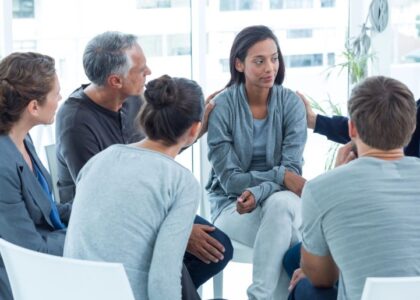
Learning new skills can be easier when people have access to encouragement and a supportive environment. A sense of community can provide opportunities to practice communication, share responsibilities, learn from others, and develop a greater sense of belonging.
Support may come from trusted family members, mentors, recovery communities, faith communities, counselors, or other qualified professionals, depending on an individual’s needs.
For people who value faith, prayer, Scripture, and spiritual guidance may also provide a meaningful source of encouragement and purpose.
Support does not remove every challenge, and no single approach works for everyone. What matters is having appropriate resources and people who can encourage healthy decisions while respecting each person’s individual journey.
7. How Gateway Dream Center Supports Personal Growth
Gateway Dream Center is a faith-based residential program designed to support men and women who are overcoming life-controlling issues, including struggles involving drug and alcohol addiction, depression, and abuse.
The program provides a structured environment intended to reduce distractions and help participants focus on building a healthier foundation for their lives. Food, housing, education, and counseling are provided free of charge.
Through its discipleship programs, Gateway Dream Center also offers opportunities for participants to develop life skills, receive educational and job-related counseling, and take part in volunteering. These resources are intended to support personal growth and help participants work toward greater stability and independence.
Rebuilding a life takes time, and each person’s needs and experiences are different. A supportive residential environment can provide space to focus on personal development while working toward future goals.
Community support also plays a role in making these resources available. Gateway Dream Center’s Adopt a Bed initiative helps support the cost of providing housing and other essential resources to program participants.
Learn more about the Adopt a Bed initiative and how community support helps keep the program free.
Frequently Asked Questions
What life skills are helpful during addiction recovery?
Helpful life skills may include time management, communication, problem-solving, budgeting, setting goals, maintaining healthy routines, and managing everyday responsibilities. Which skills are most useful depends on the person’s circumstances and goals.
How can daily routines support recovery?
Daily routines can provide structure and make responsibilities more predictable. Regular sleep, meals, planned activities, and time for supportive relationships may help people organize their days and develop consistency. Routines are one part of broader recovery support, not a guarantee of success.
Can life skills training help someone become more independent?
Life skills training can help people practice abilities needed for everyday living, such as managing a budget, preparing meals, organizing appointments, and communicating effectively. These skills may support greater independence, although individual outcomes depend on many factors, including personal circumstances and access to ongoing support.
How does a faith-based residential program support personal growth?
A faith-based residential program may combine a structured living environment, spiritual guidance, community, and practical resources to support personal development. The services offered vary by organization. At Gateway Dream Center, the program includes housing, meals, education, counseling, discipleship, life skills training, and educational and job-related counseling at no cost to participants.
What if someone struggles to maintain progress during recovery?
Challenges do not erase the progress a person has already made. It may help to review goals, identify obstacles, reconnect with trusted support, and adjust routines. People experiencing substance-related health concerns or other serious symptoms should seek appropriate professional help.
Moving Forward One Step at a Time
Rebuilding life during recovery involves more than making one major change. It can mean learning to manage daily responsibilities, developing healthier relationships, exploring educational or vocational opportunities, and finding a supportive community.
Life skills can provide practical tools for working toward these goals. With time, encouragement, and appropriate support, people can continue building a foundation for a more stable and purposeful future.
Gateway Dream Center works to provide a faith-based residential environment where eligible participants can access housing, meals, education, counseling, discipleship, and opportunities to develop life skills without charge. Community support helps make these resources possible.
Educational disclaimer : This article is intended for educational and informational purposes. Recovery is a personal journey, and each individual’s needs and experiences are different. Gateway Dream Center provides a faith-based residential program to support individuals as they work toward rebuilding their lives and overcoming life-controlling issues. This article is not a substitute for individualized medical advice or professional care when needed.